Author: Molly
It feels as if we used every available minute in Paris, so a two part post feels necessary.
Our train from Neuchâtel to Paris was running about an hour late, but we successfully found our hotel at 10 pm. We stayed in the Villejuif neighborhood, which was fine but a bit outside of the city, so we were happy to be close to a metro station.
I decided to get a four day Paris Museum Pass which was great. It let us skip the lines in some places, and we could easily book times for museums for free.
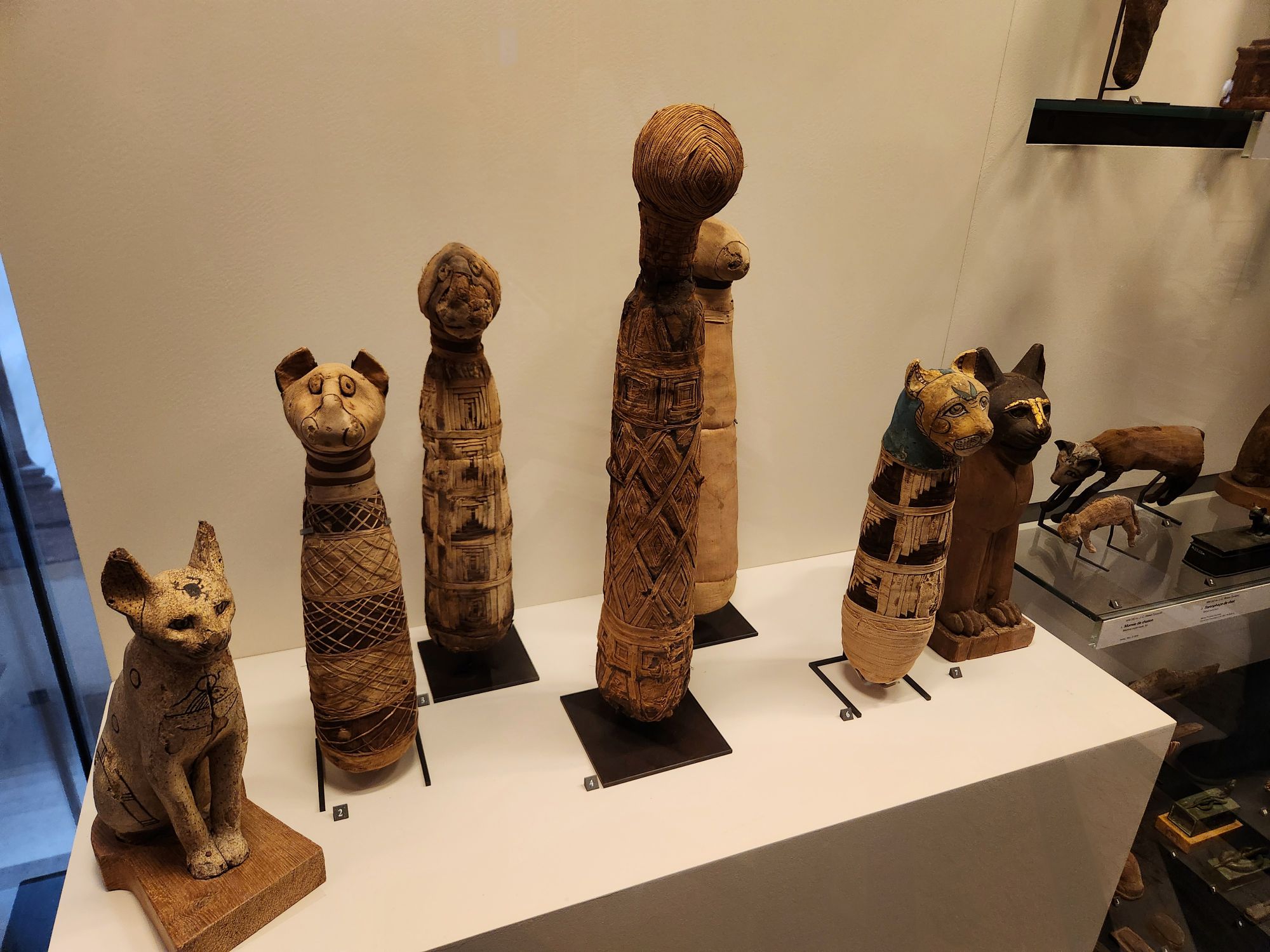
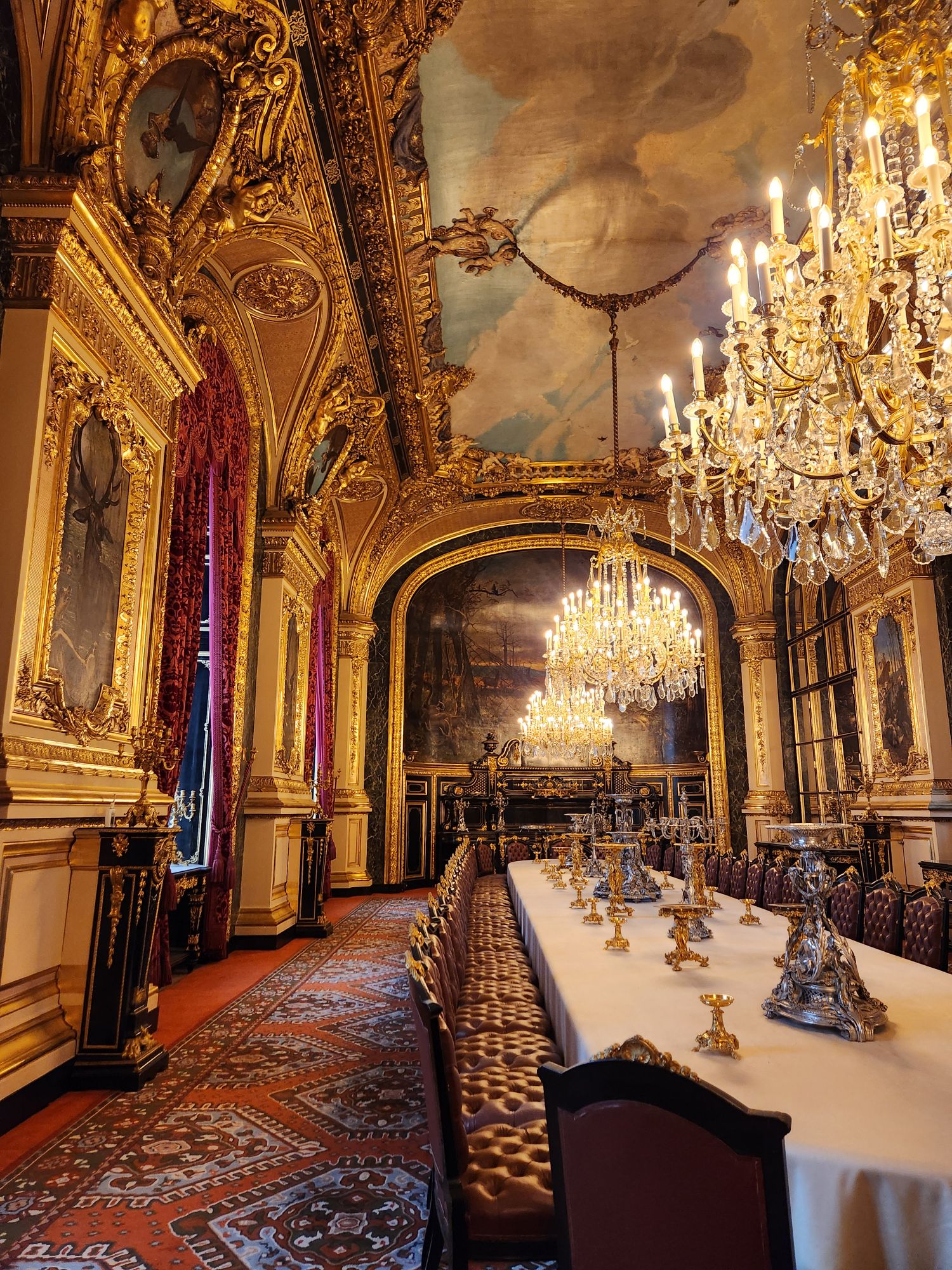
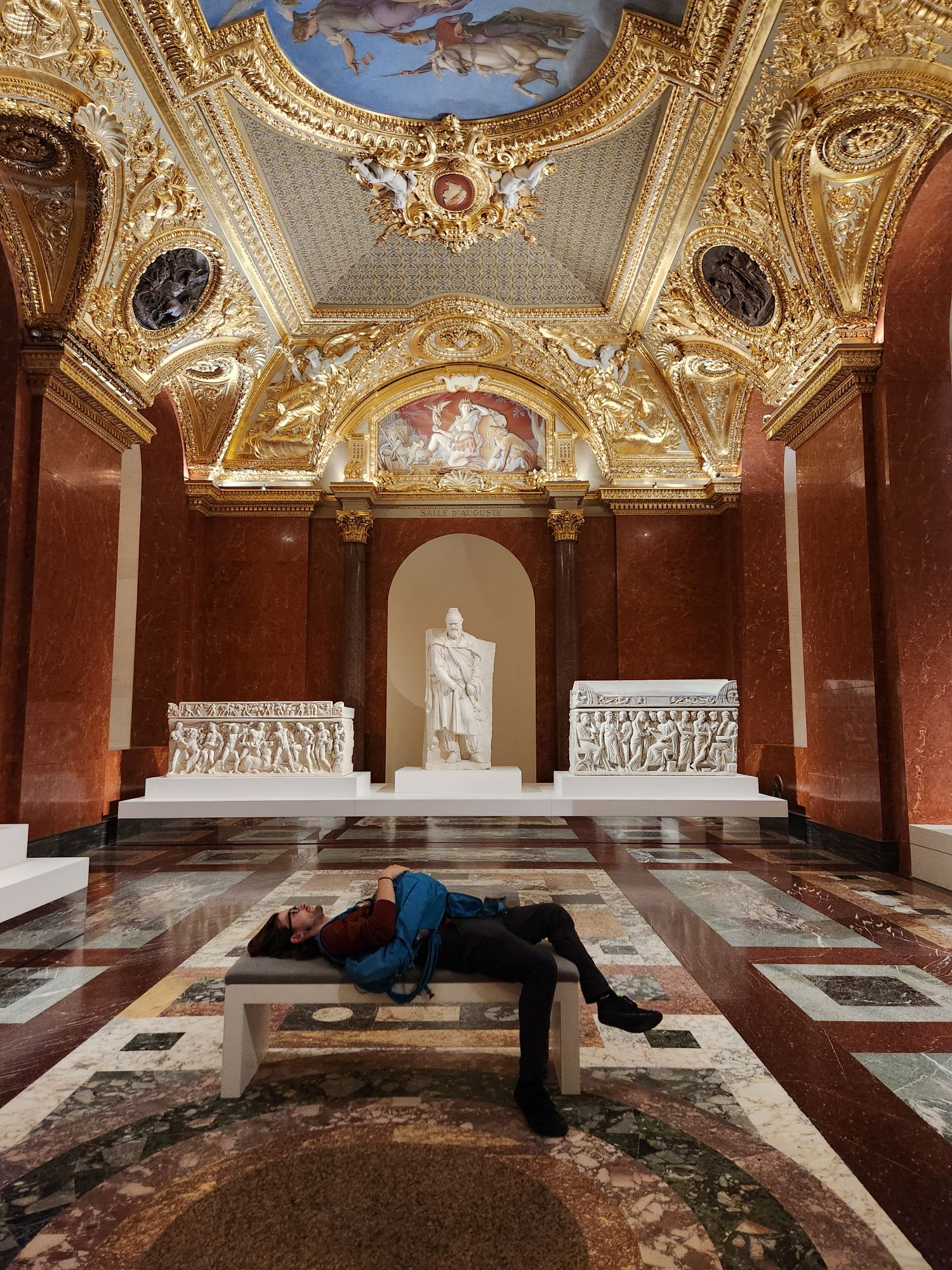
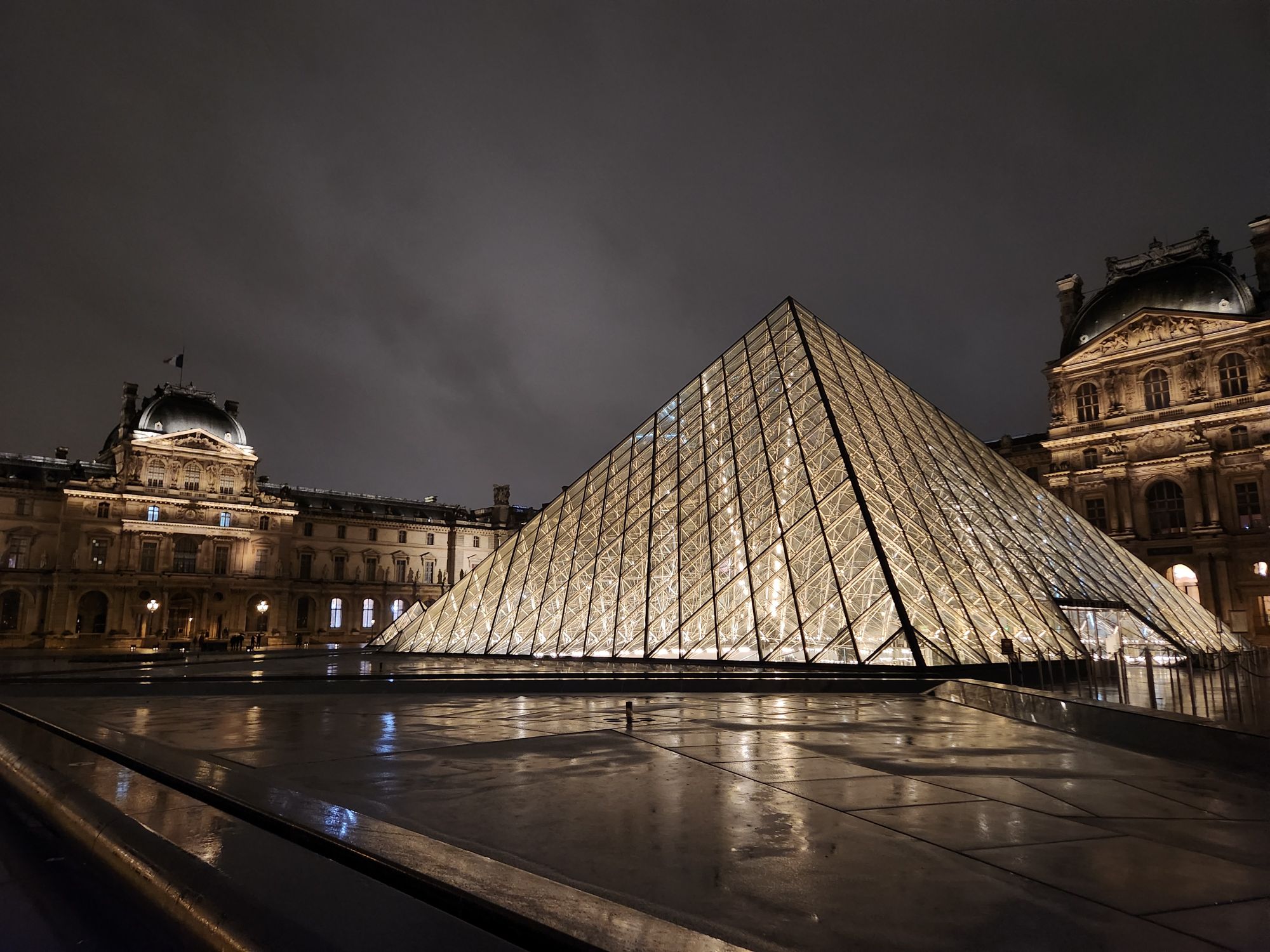
Our first full day was a Wednesday, and we had a booking for the Louvre at noon. Luckily it was open late because we were there for 9 hours! This museum is so massive, but everything in it is incredible. We spent a lot of time in the ancient Egypt and Greece areas, but we also really enjoyed seeing the art galleries and getting a glimpse of some very famous works.

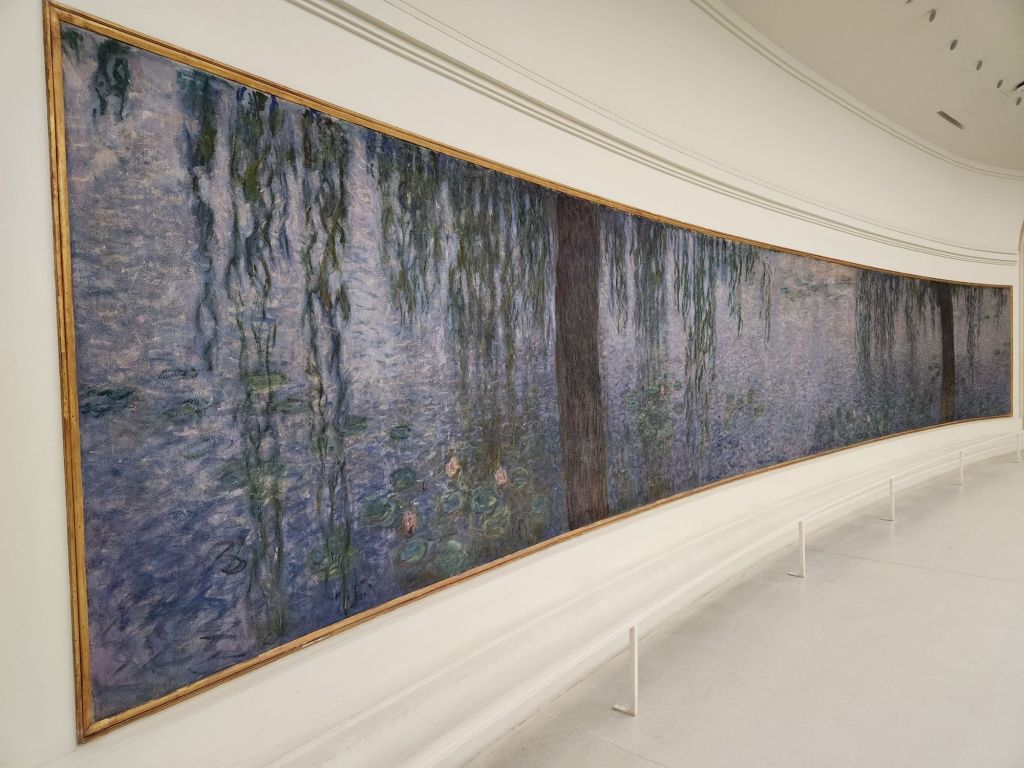
The second day started with a walk through Tuilliers garden, where the structures from the Olympics were still being disassembled. We visited L’Orangerie, specifically designed to display the massive Waterlily paintings that Monet gave as a symbol of peace the day after the WW1 armistance. This was quite busy despite needing reservations, but I’m happy we visited and were able to see these in person.
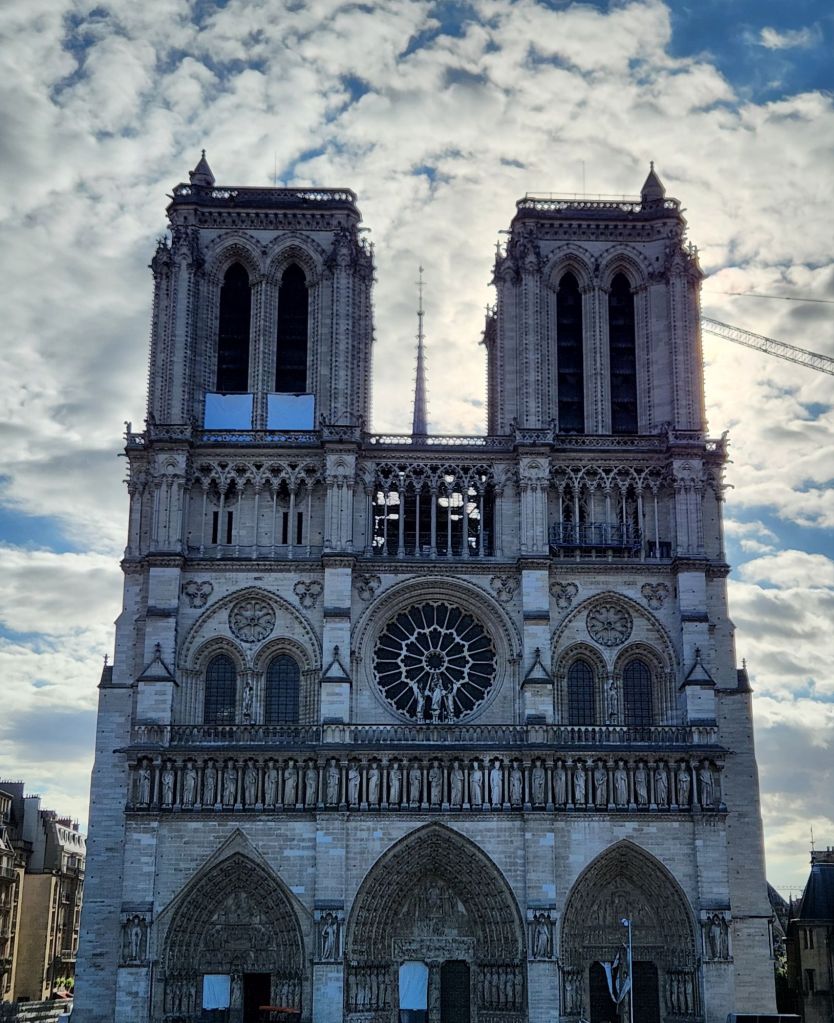
Afterward, we walked along the river to Ile de la Cite, an island in the Seine with over 2,000 years of history (more on this in part 2). We walked by Notre Dame, which is still undergoing extensive renovations following the fire but is impressive nonetheless.
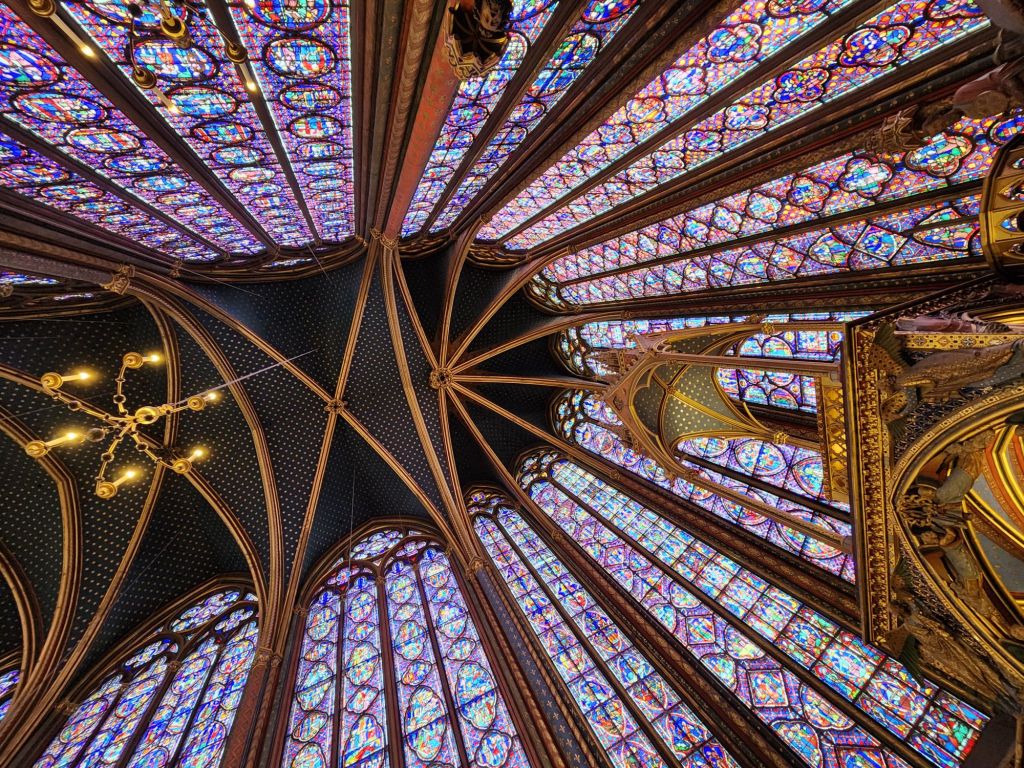
Near Notre Dame is Saint Chappelle and the Conciergerie. Sainte Chappelle is an incredible church, constructed in the 1200’s to house precious relics. The upper floor was meant for royalty, and consists of some of the most incredible stained glass I’ve seen with 1,113 scenes. It is quite hard to capture in a photo. The lower level is also a chapel, but was meant for the kings staff.
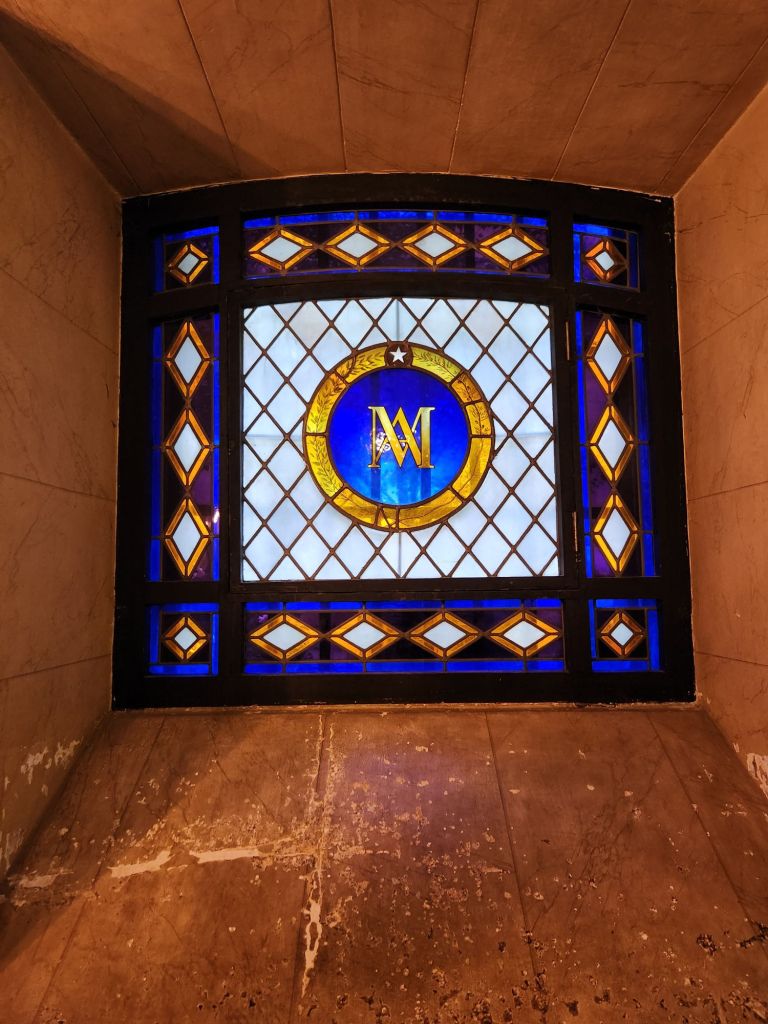
Next to Saint Chappelle is the Conciergerie, which served as the seat of power for French kings in the middle ages. It was later used as a prison, notably during the French revolution. This was a relatively short stop, but they had a great self guided tour which let you see what the rooms would have been at the time. It was particularly interesting to see the cell where Marie Antoinette was kept before being put to death.

Paris operates on a different schedule than other places we have been, with museums open quite late most nights. Since we still had the afternoon left, we decided to visit Musee D’Orsay which was our favorite art museum in Paris. It utilizes a historic train with what seems like an endless network of little galleries branching off. I particularly like Impressionist paintings, and this had a large collection.
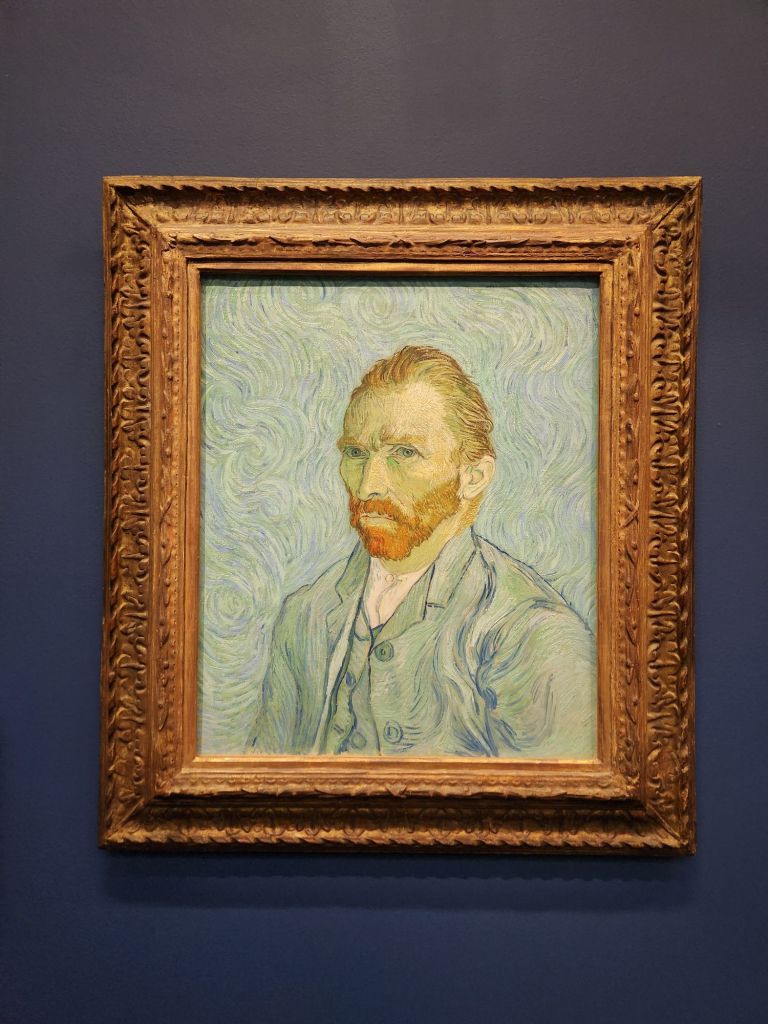
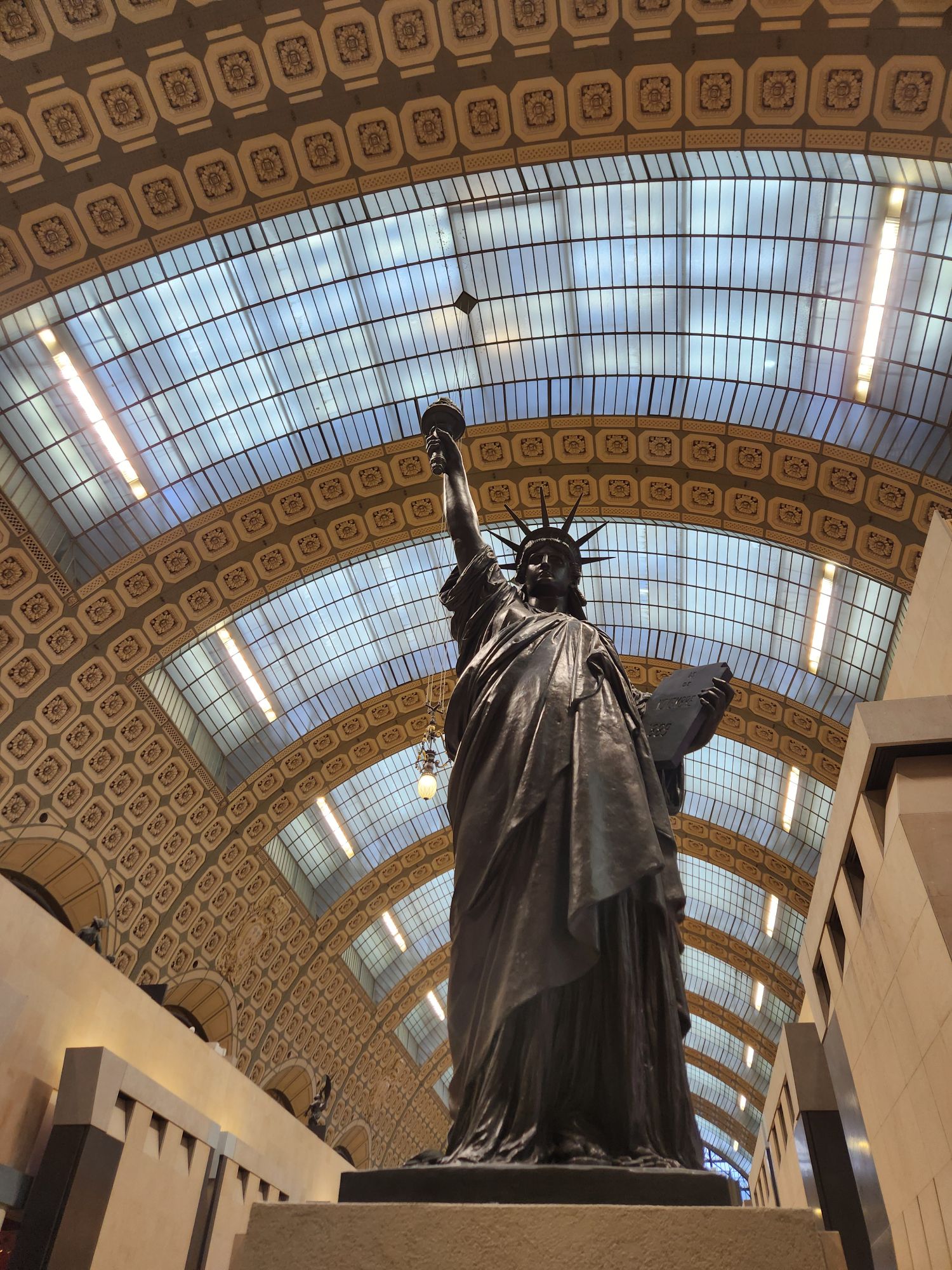
All this was just two days! Our feet were pretty tired, and we had two more days left.

 Not Sew Fancy Travels