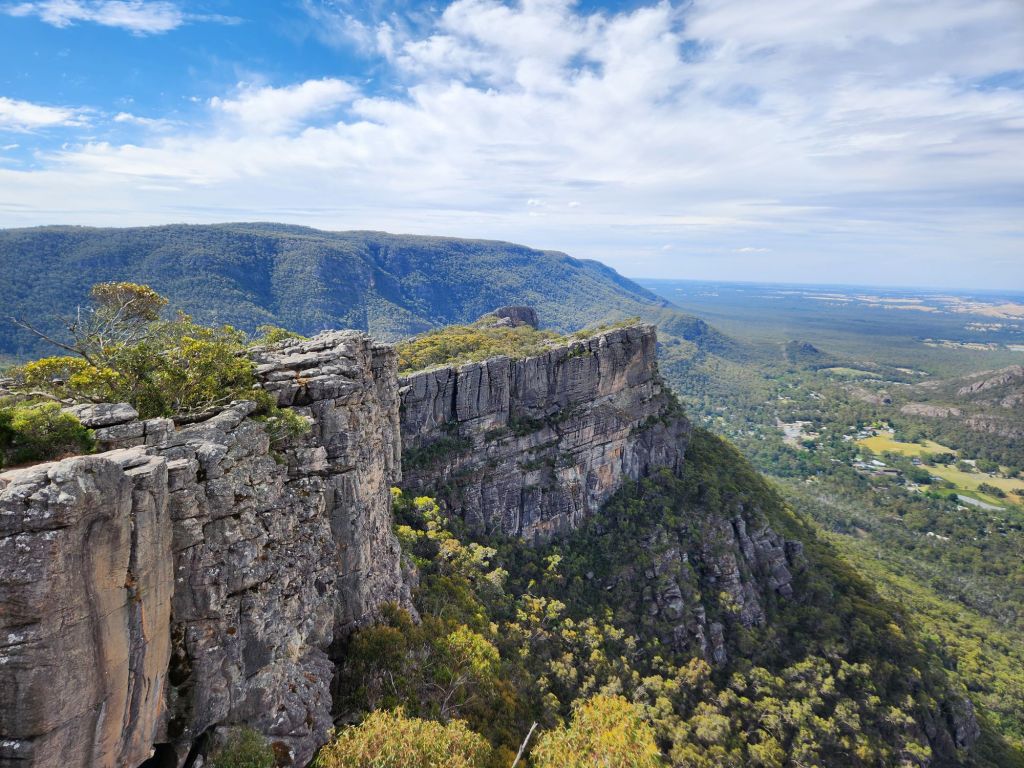
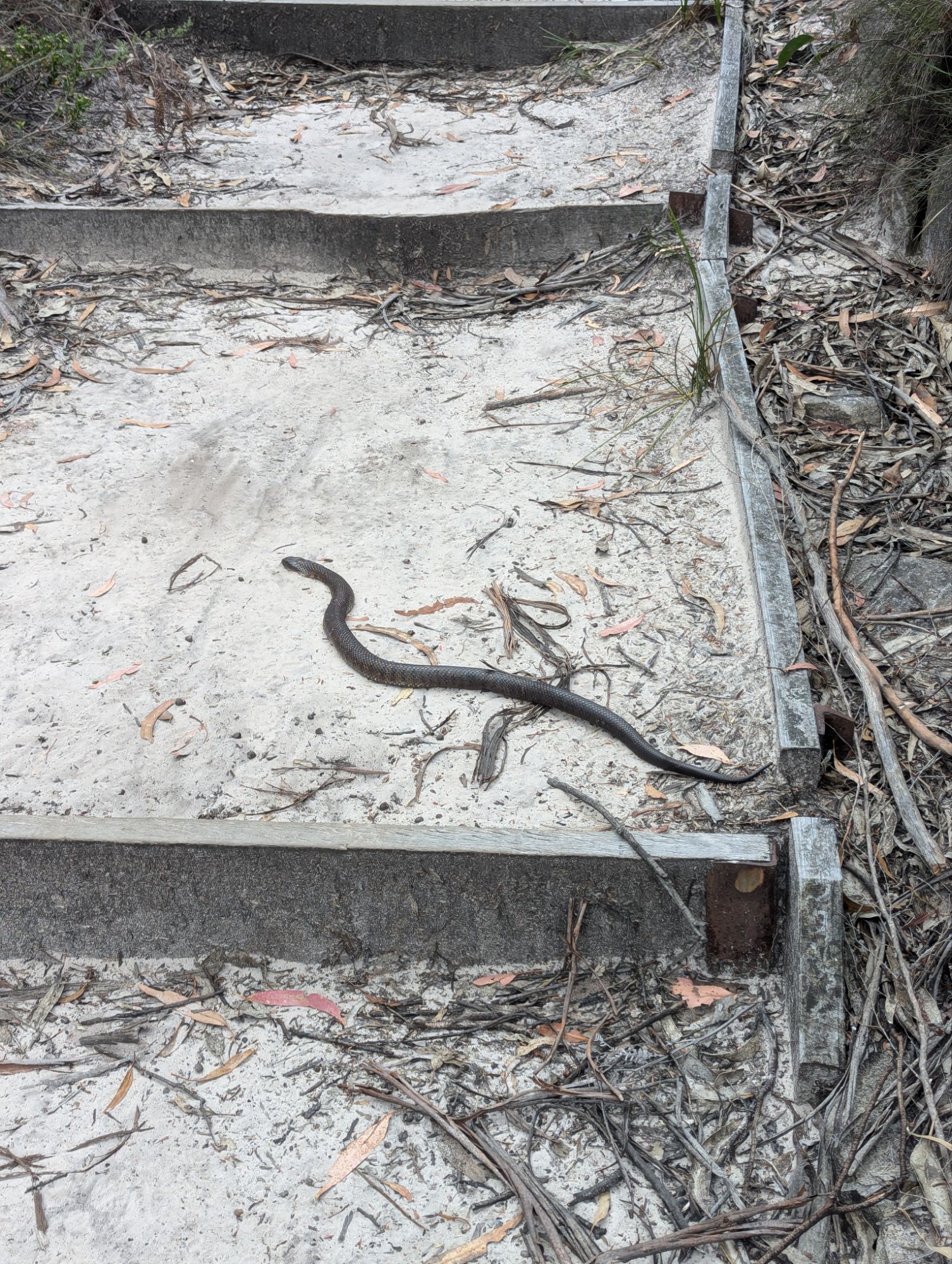
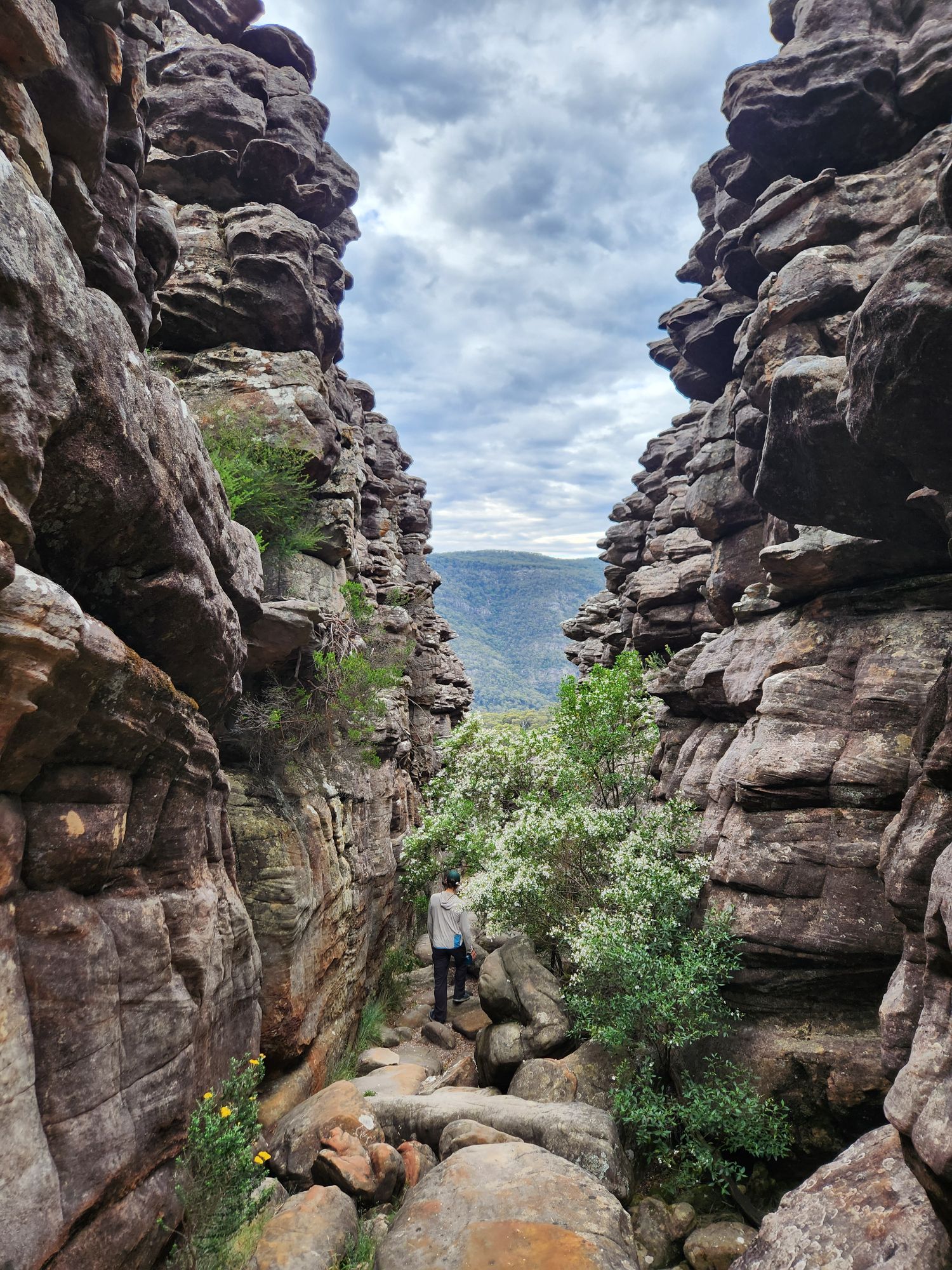
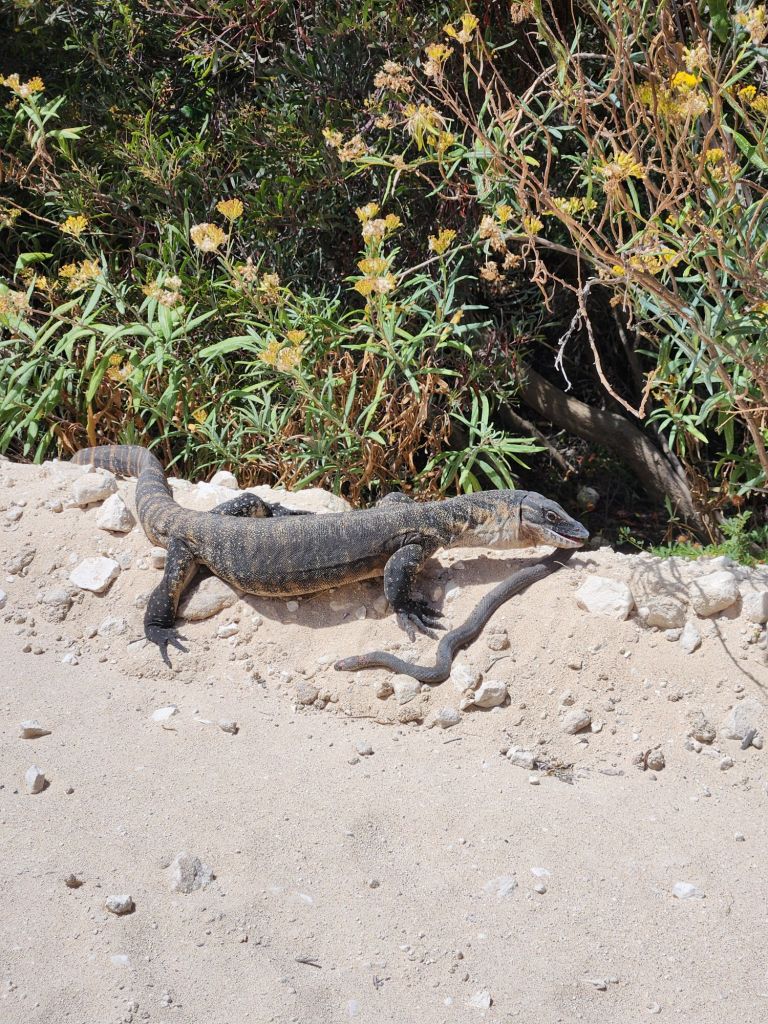
We drove three hours north west from Great Otway towards Grampians national park where we spent two nights. Grampians is known for its unique sandstone rock formations and being a bit more north and west the climate was noticeably more arid. We hiked the parks most popular trail up to Pinnacle Lookout. The trail was very unique with lots of cool rock formations and a slot canyon called “Silent Street”. We saw kangaroos, shingleback lizards and one of the most venomous snakes in Australia, the brown snake. The next day we headed to the Adelaide area to take the ferry to Kangaroo Island.
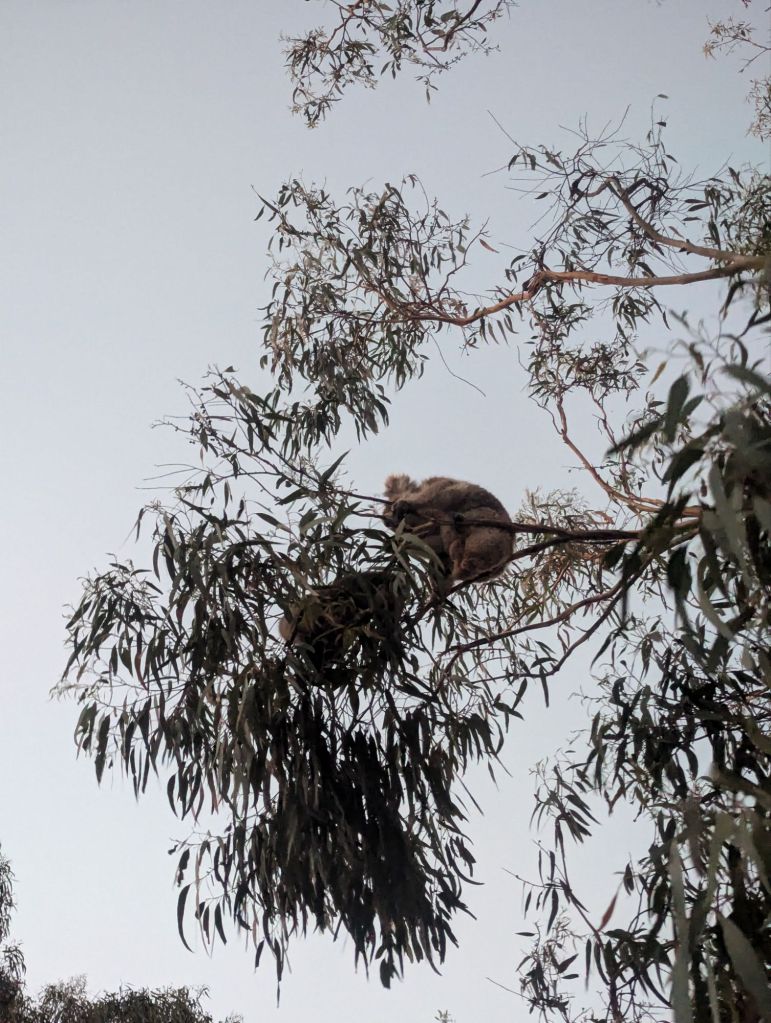
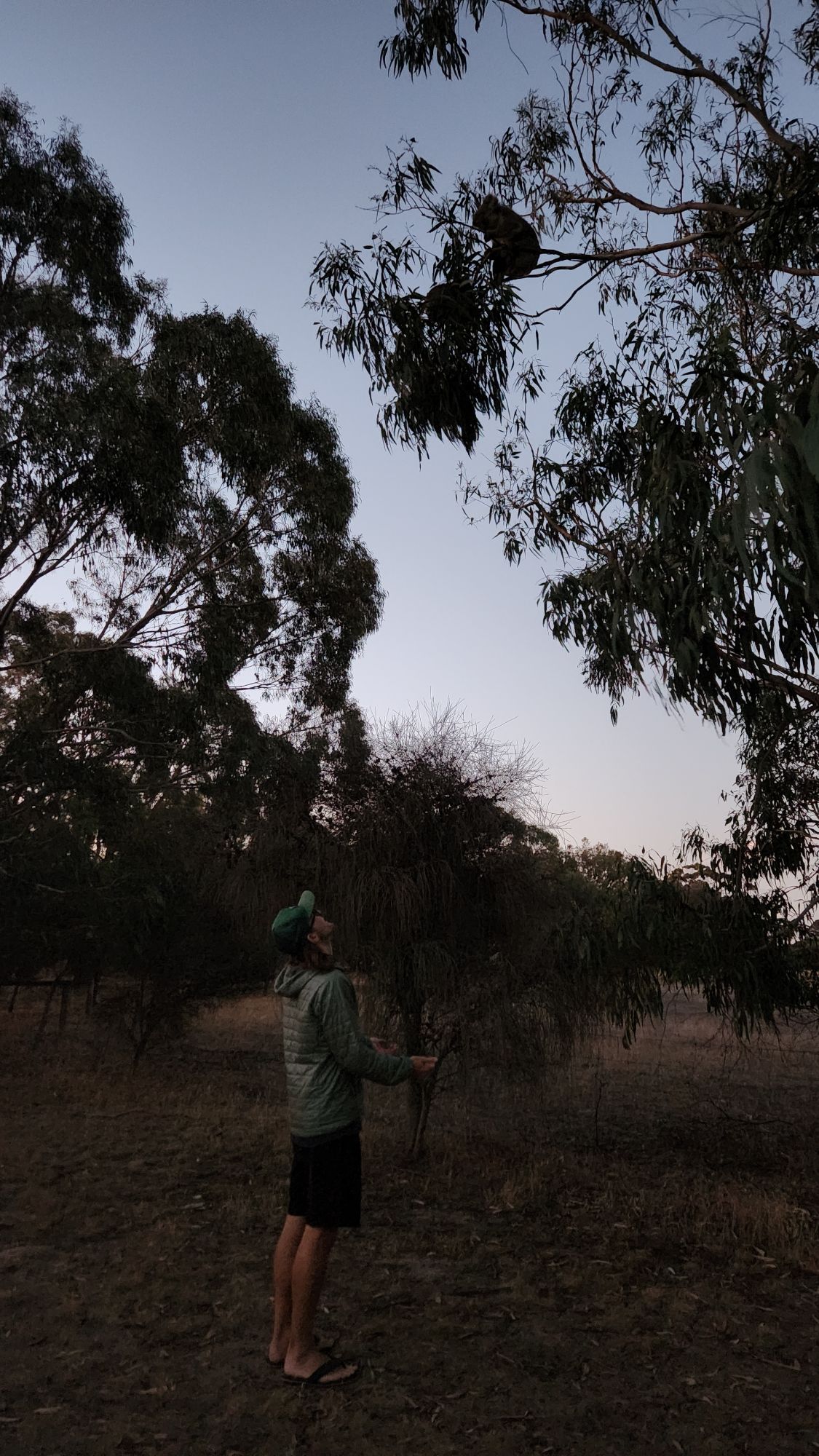
Molly was very sad to leave the Koalas in Great Otway, so on the ferry ride to Kangaroo island I did some research on where I could find some koalas. Kangaroo Island was one of several islands that were used to restore the koala population after nearly becoming extinct in the early 1900s, and prior to 2020 there was a very healthy koala population. In 2020 the bush fires burned nearly half of the island reducing the Koala population to only 8,500 from 48,000. My research paid off because we were able to find a mother koala, its baby and a male (probably the father) at a lagoon close to where we were staying!
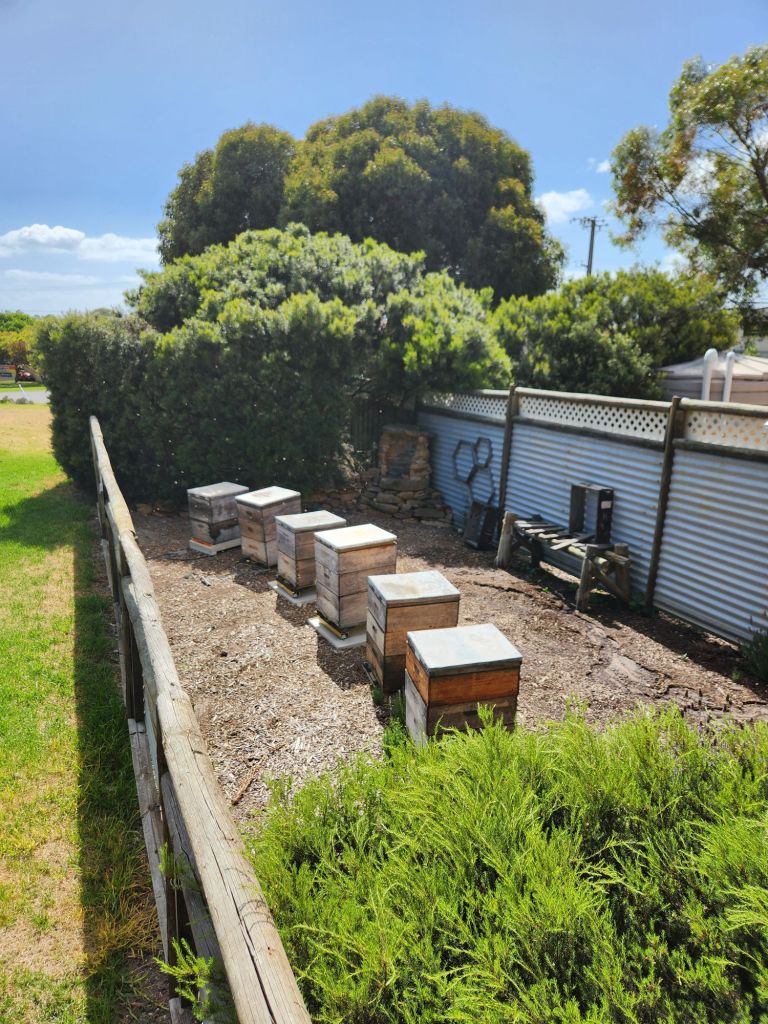
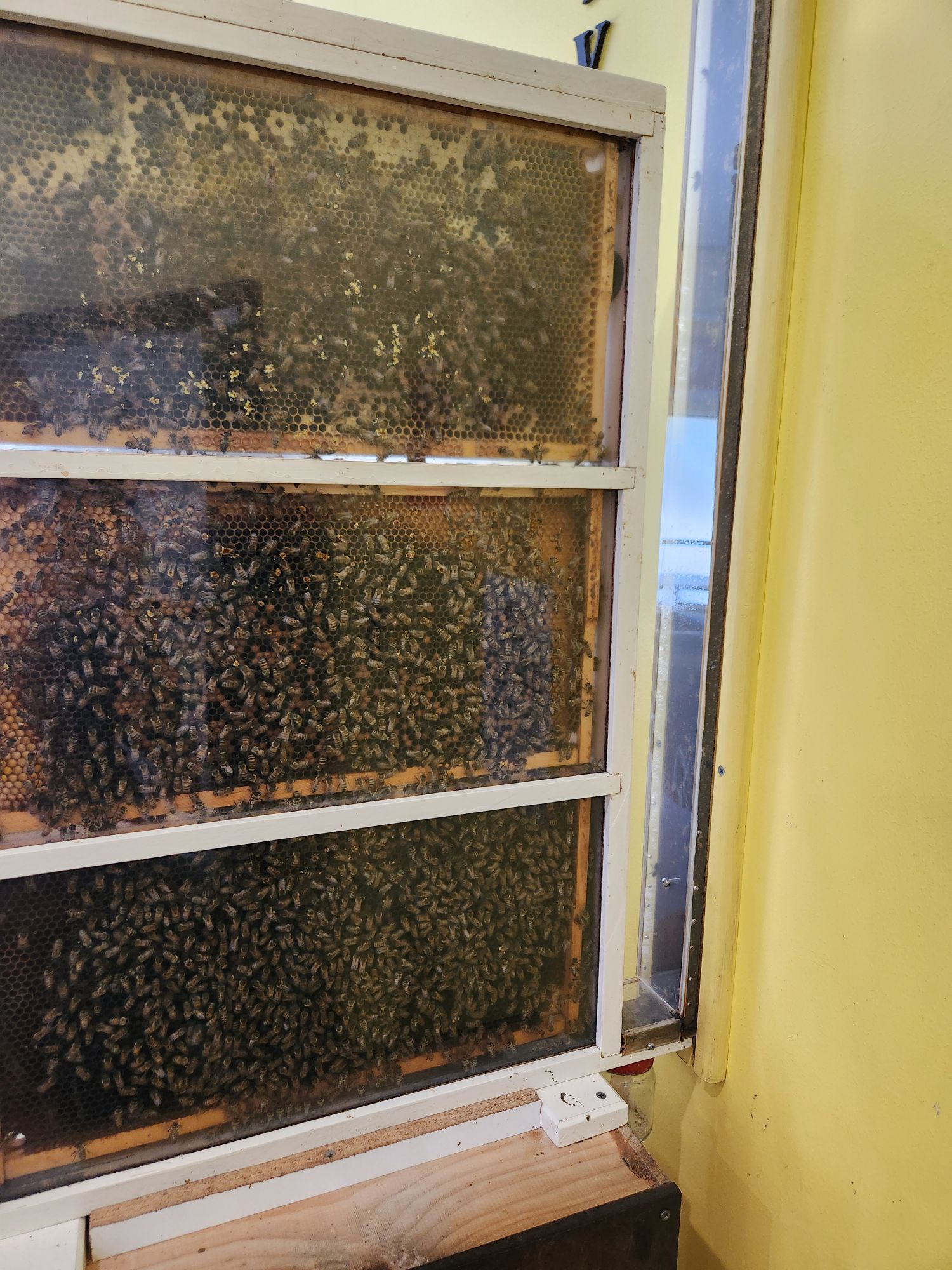
On our first day on Kangaroo island we took a tour of a honey processing factory. We learned that Kangaroo Island is a bee sanctuary and has a unique population of Italian Ligurian bees introduced to the Island in 1884. We learned how honey is harvested and tasted honey from different hives around the island. Each area of the island has a distinct honey taste based on the different flowers the bees have access to.
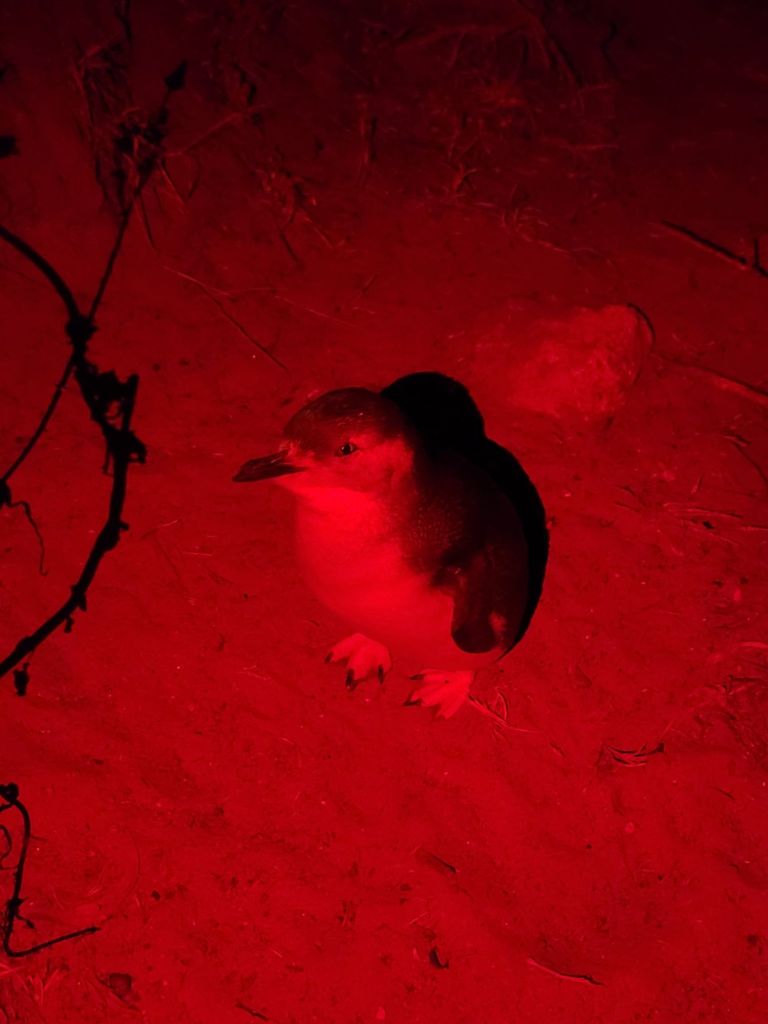
Kangaroo Island has a very endangered population of little penguins. The penguins fish all day and when the sun goes down they walk across the beach to their nests in the bushes. So when the sun went down we walked Emu beach to try and see them. We saw a group of very skiddish penguins and one penguin in the bush that wasn’t scared of us at all.
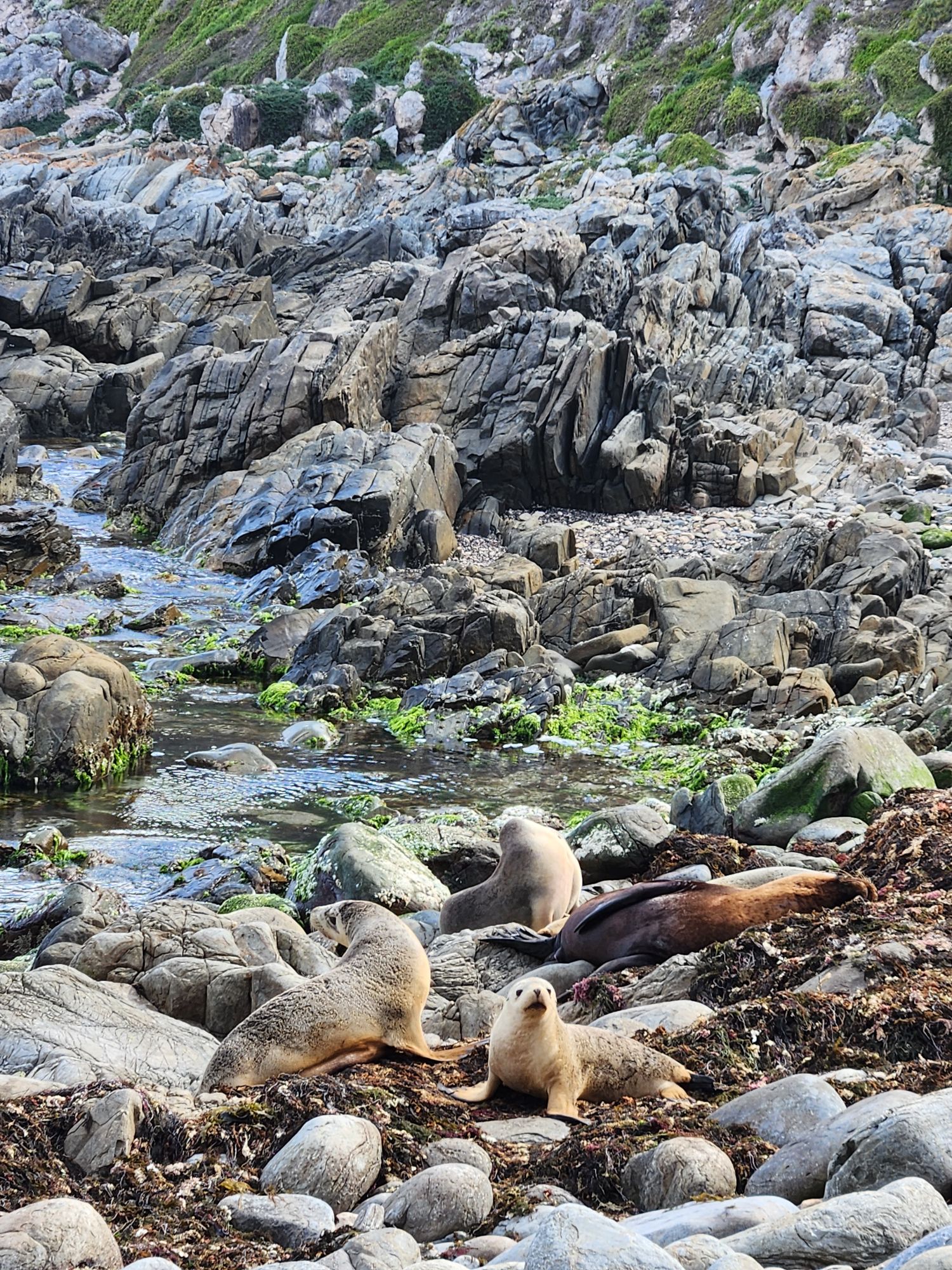
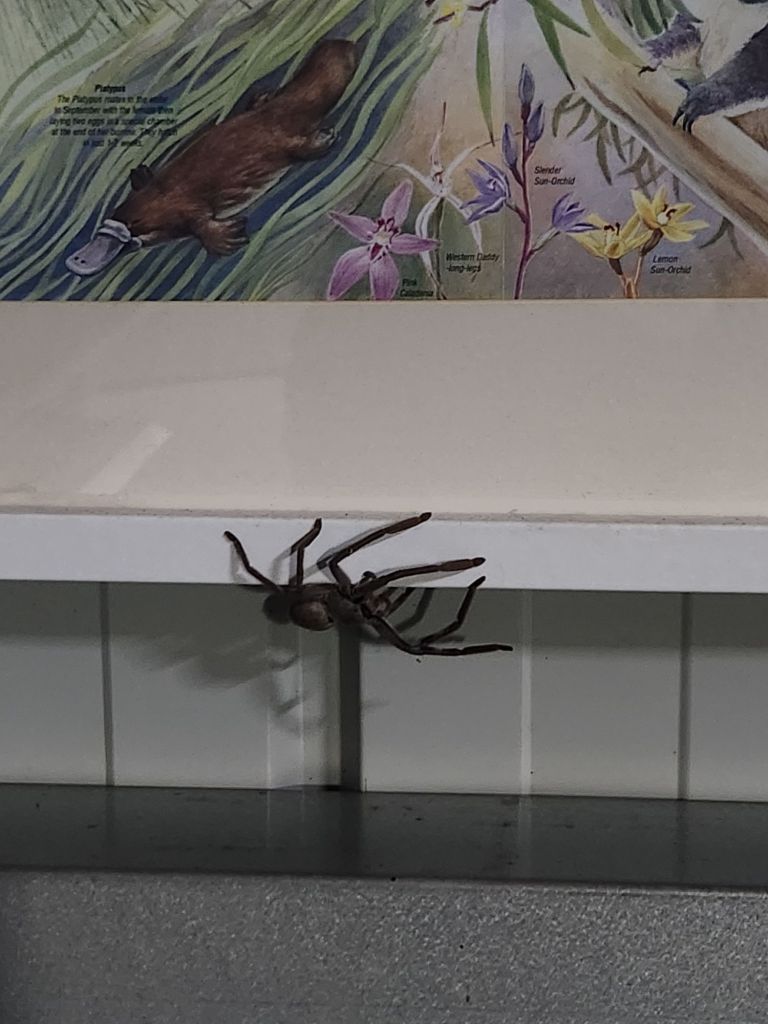
Our next day we hiked about 12 miles to see some fur seals along the Cape Gantheaume Coastal Track. When we first got to the Seal Slide Viewpoint we were disappointed to not see any fur seals. As we walked into the cove, what we thought were big rocks were actually heaps of fur seals basking in the sun! We watched them for awhile and then headed back for dinner. In our kitchen area we noticed that two huntsman spiders decided to join us.
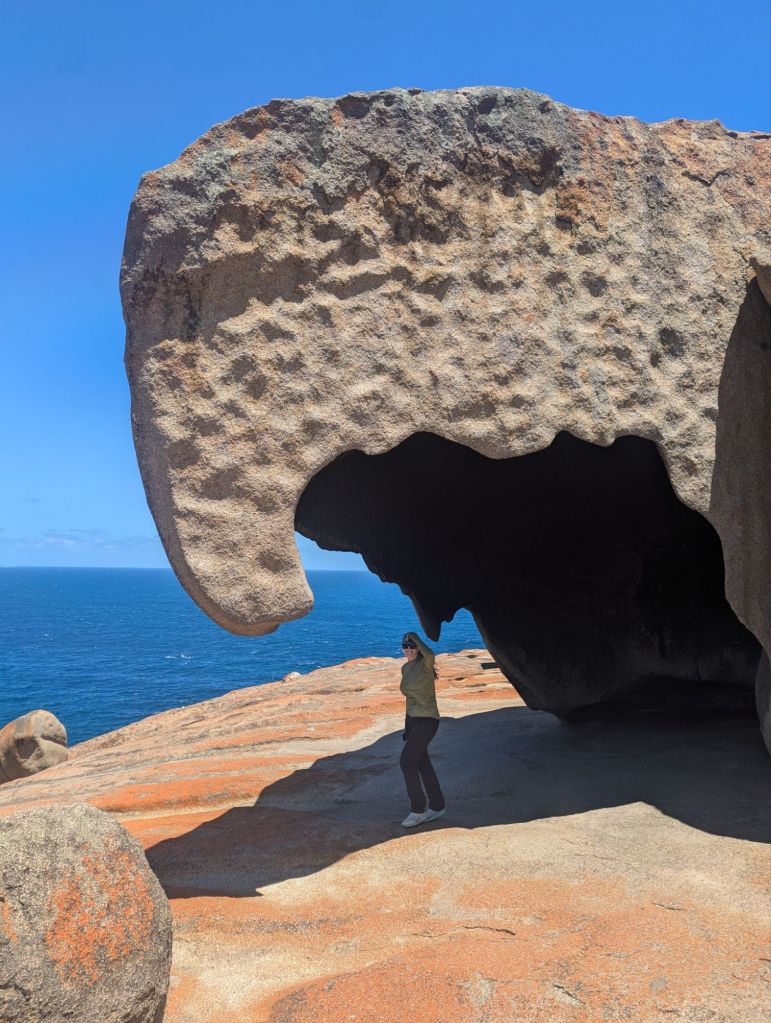
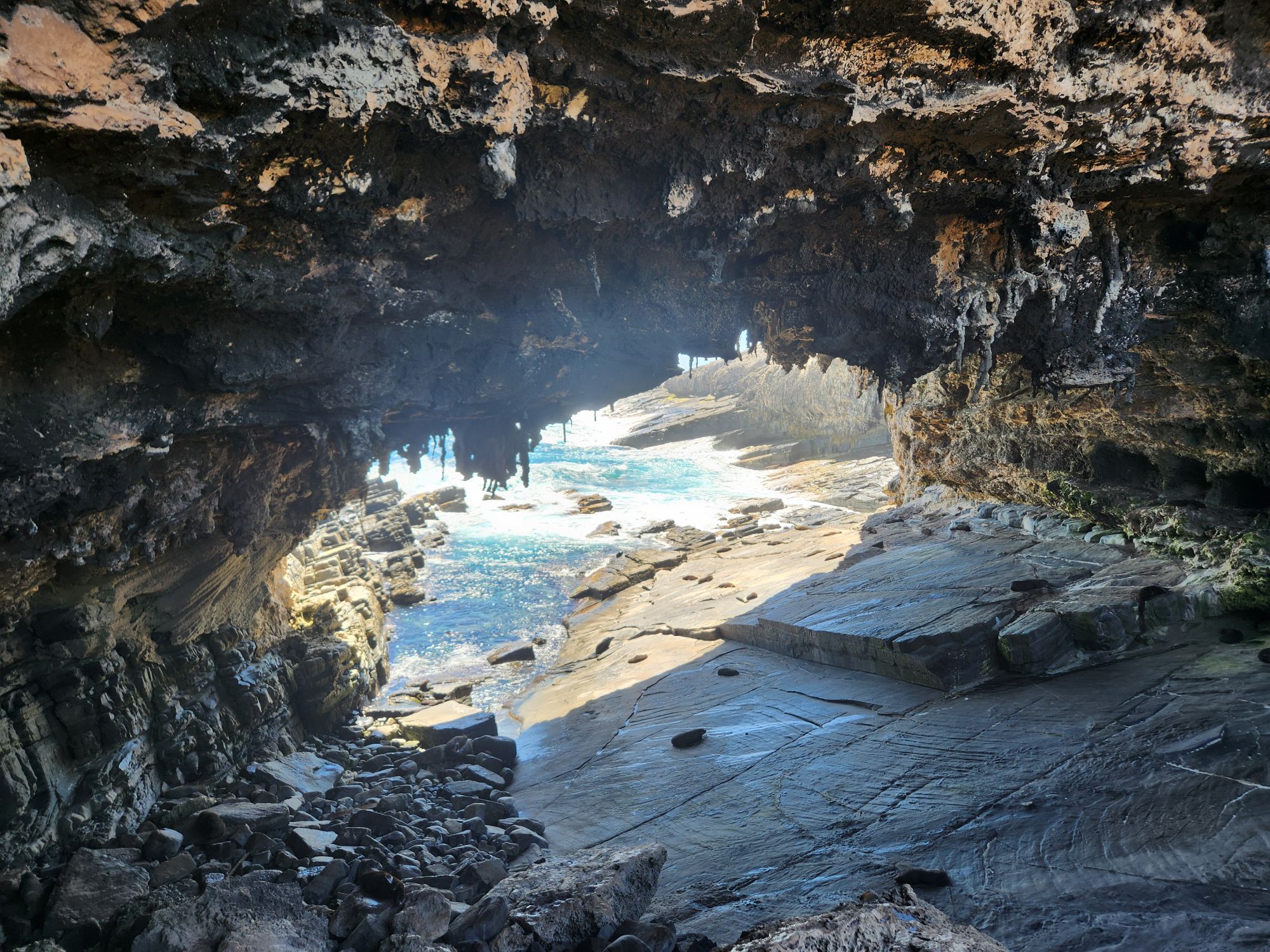
On our last day on the island we visited Flinders Chase National Park. In 2020 this park was almost completely burned but today the bush has almost fully rebounded. We stopped to see the Remarkable Rocks and Admirals Arch where we saw a bunch of Australian Fur Seals. Later we hiked along to the platypus lookout track to try and see a platypus. We patiently waited for a long time but we were not successful.
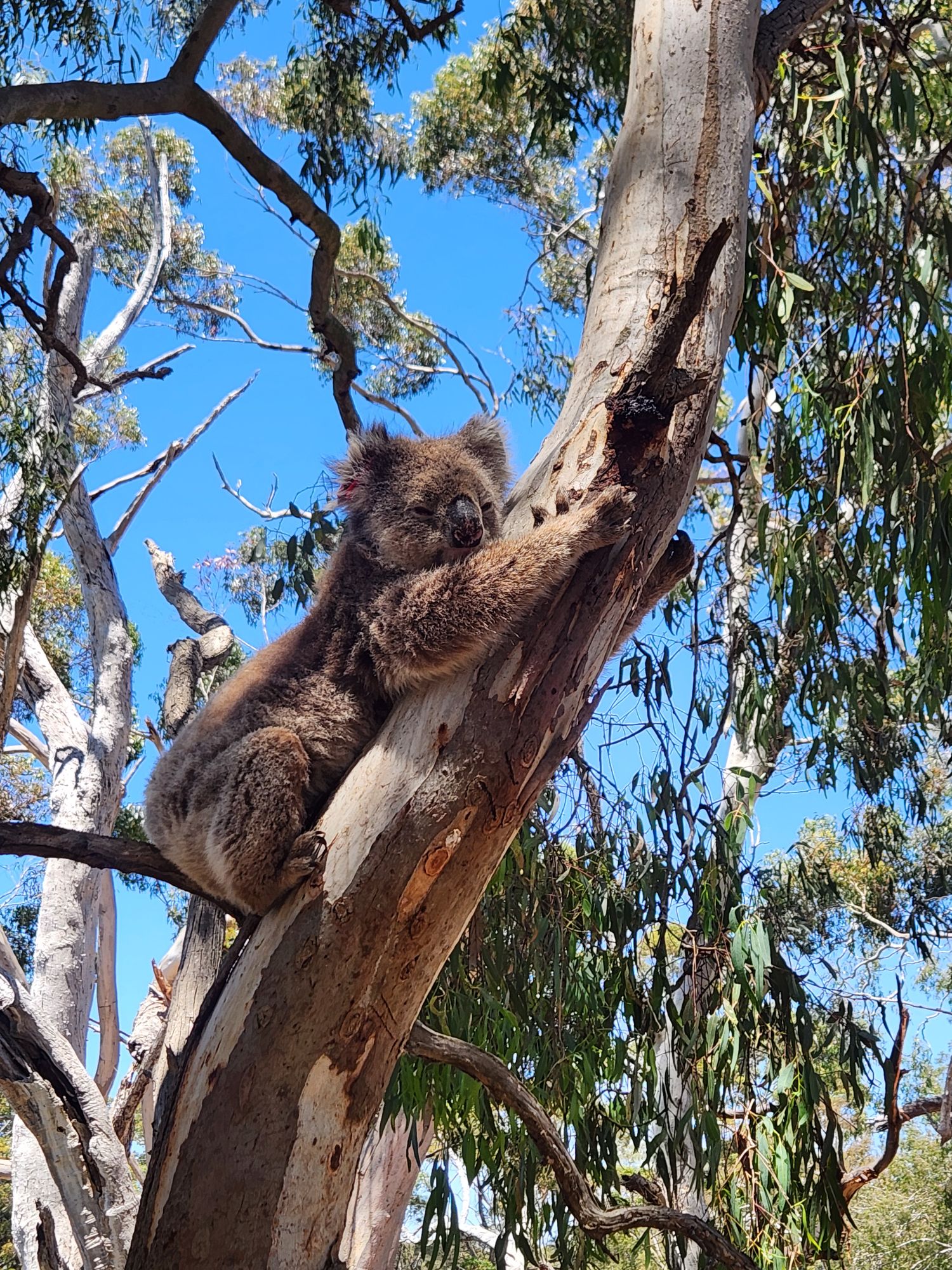
Before we had to catch the ferry to the mainland we decided to go say goodbye to the koalas. The male koala must have wanted to say goodbye because he climbed very low in the tree so we could get a great picture of him.
Australia greatly exceeded our expectations and we wish we had more time. We had so much fun learning and watching the unique wildlife. Next stop is New Zealand’s north island.

 Not Sew Fancy Travels